Pages

Showing posts with label Change Management. Show all posts

Tuesday, January 28, 2025

Beyond the Balance Sheet: Why Cultural Chemistry is King in M&A

 Last week, I had the privilege of attending the Association for Corporate Growth (ACG) NJ's "Accelerating Growth: Strategies for Crafting a Successful Acquisition Model in 2025". The panel, featuring leaders with extensive M&A experience like Iliya Zogovic, Joe Furey, Nicholas Montorio, Michael Lubben, and expertly moderated by Michael Fischer, was a masterclass in deal-making. But what truly resonated wasn't the talk of valuations or EBITDA – it was the resounding emphasis on cultural fit and people integration.

It seems obvious, right? Yet, time and time again, we see meticulously crafted deals crumble because the human element was treated as an afterthought. As the panelists passionately argued, ignoring the "people factor" is like building a skyscraper on a foundation of sand.


Image Credit: Gemini Generated Image
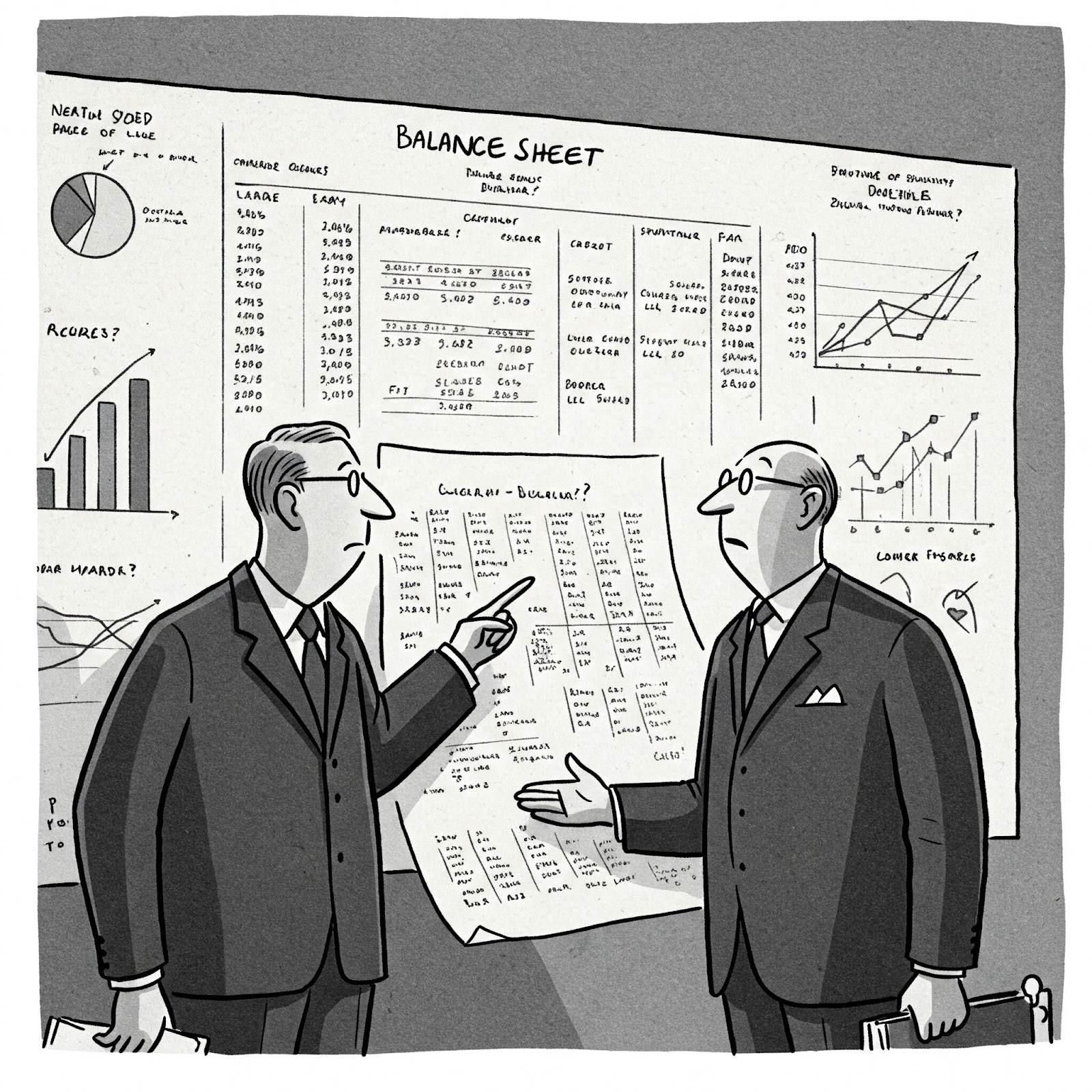

The Human Cost of a Cultural Collision

Imagine two companies, each with their own unique DNA, suddenly forced to become one. Without careful consideration of their respective cultures, the result can be catastrophic:

  • Clash of the Titans: Conflicting values and communication styles lead to friction and mistrust, hindering collaboration and innovation.

  • Brain Drain: Valuable employees, feeling lost in the new environment, head for the exit, taking their expertise and institutional knowledge with them.

  • Productivity Plunge: Uncertainty and low morale breed disengagement, causing projects to stall and deadlines to be missed.

  • Integration Implosion: The anticipated synergies evaporate as the focus shifts from growth to firefighting cultural conflicts.

Decoding the Cultural Code

Culture isn't just about free snacks and ping pong tables. It's the invisible force that shapes how people work, interact, and make decisions. When merging companies, it's crucial to decipher the subtle nuances of each culture:

  • Priorities: Are they driven by innovation, customer satisfaction, or bottom-line results?

  • Communication: Is it formal or informal? Direct or nuanced?

  • Management: Is it hierarchical or collaborative? Empowering or controlling?

  • Processes: Are they agile or bureaucratic? Data-driven or intuition-based?

The Integration Playbook: A Human-Centric Approach
As Peter Drucker, famously said, "Culture eats strategy for breakfast."  The solution is to address this early on in the M&A Life-cycle

  1. Cultural Due Diligence: Don't just scrutinize the financials. Assess cultural compatibility early on, identifying potential red flags and opportunities for synergy.

  2. Transparency Triumphs: Communicate openly and honestly with employees throughout the process. Address their fears, manage expectations, and paint a compelling vision of the future.

  3. Embrace the Differences: Acknowledge and respect the unique cultures of each organization. Encourage dialogue and create opportunities for employees to learn from each other.

  4. Change Management Mastery: Develop a comprehensive plan to guide the integration process, anticipating challenges and providing support to employees.

  5. Empathy is Key: Especially in acquisitions, show genuine care for the employees of the acquired company. Make them feel valued and included in the new organization.


Successful M&A is as much about human connection as it is about financial engineering. By prioritizing cultural fit and people integration, organizations can unlock the true potential of their mergers, creating a vibrant, unified workforce that drives sustainable growth.

As we navigate the ever-evolving landscape of M&A in 2025 and beyond, let's remember that investing in people is the ultimate investment in success.


Thursday, November 7, 2024

Beyond the Weeds: Cultivating AI Adoption with "Wild Gardens"

In a world grappling with the rise of AI, one thing is clear: simply deploying the technology isn't enough. We need to cultivate its adoption. At a recent Conference Board session, Christopher Hernandez, Corporate VP at Microsoft, offered a compelling vision for how to do just that. He introduced the concept of "wild gardens" and "curated gardens" to illustrate the power of balancing organic exploration with structured guidance in AI adoption. This approach not only unlocks innovation but also fosters a more inclusive and fulfilling work environment, transforming the fear surrounding AI into a blueprint for collaborative success.

The Garden Metaphor Explained

Hernandez's analogy is simple yet powerful:

  • Curated Gardens: These represent the traditional, structured approach to implementing AI. Think formal training programs, standardized frameworks, and top-down directives. While essential for consistency and control, they can sometimes stifle creativity and individual initiative.
  • Wild Gardens: Imagine employees given the freedom to explore AI tools, experiment with applications, and self-organize around their own interests. These "wild gardens" are fertile ground for organic learning, innovation, and a sense of ownership.

But "Wild" Doesn't Mean "Untamed"

It's crucial to understand that "wild gardens" aren't about leaving employees to fend for themselves in an AI jungle. As Hernandez emphasizes, these organic initiatives still require nurturing. This means providing:

  • Frameworks: Clear guidelines and ethical considerations to ensure responsible AI development and use.
  • Formal Education: Basic training and resources to equip employees with foundational AI knowledge.
  • Communities of Practice: Platforms for collaboration, knowledge sharing, and peer support.

The Roots of Successful Change

This balanced approach aligns beautifully with established change management principles. Consider Prosci's ADKAR model, which emphasizes Awareness, Desire, Knowledge, Ability, and Reinforcement. "Wild gardens" excel at fostering Desire by allowing employees to experiment and discover the value of AI firsthand. They build Knowledge and Abilityorganically through hands-on exploration and peer learning. Meanwhile, "curated gardens," with their formal training and guidelines, provide the necessary Awareness and Reinforcement to ensure alignment and scale.

Similarly, Kotter's 8-Step Change Model highlights the importance of creating a sense of urgency, forming a powerful guiding coalition, and generating short-term wins. "Wild gardens" can be hotbeds for generating those short-term wins, showcasing the immediate benefits of AI in a way that excites and motivates the broader organization.

Cross-Pollination: Where Magic Happens

Imagine a traditional corporate training program on a new AI tool (your "curated garden"). It's structured, informative, maybe even a little dry. Now picture a group of employees, intrigued by the potential of this tool, coming together to explore its capabilities in their own way (your "wild garden"). They're sharing ideas, experimenting with applications, and even stumbling upon innovative solutions that the formal training never anticipated. That's the magic of "wild gardens" – they unleash the collective ingenuity of your workforce.

Cultivating a Thriving AI Ecosystem

By nurturing both "wild" and "curated" approaches, we can create a dynamic ecosystem for AI adoption. Leaders must provide the framework, education, and community support to empower these "wild gardens" to flourish. In turn, these organic initiatives will infuse the formal structures with new energy, insights, and ultimately, greater success. It's time to move beyond the fear of AI and embrace a future where technology and human ingenuity work hand in hand.


Creative Commons License
This work is licensed under a Creative Commons Attribution 3.0 Unported License.